Practical Guide to Solar Panel Installation and Maintenance for Contractors and Homeowners
Understanding Solar Panel Systems: What Contractors and Homeowners Need to Know
Solar panel technology has become an essential part of modern property development and renovation. For contractors, tradespeople, and homeowners considering solar implementation, a clear grasp of solar system components, installation procedures, and maintenance requirements is key to successful project execution. This guide focuses on practical site work, from planning and technical installation to operational upkeep, aimed at ensuring optimal solar energy performance.
Planning Your Solar Installation: Site Assessment and System Design
Effective solar panel installation begins with detailed site assessment and system design. Key considerations include:
- Roof structure and orientation: Evaluating the load-bearing capacity, tilt angle, shading obstacles, and surface area helps determine the size and type of solar modules suitable for the property.
- Electrical infrastructure: Reviewing existing electrical panels and wiring to ensure compatibility with the solar inverter and safe integration with the grid or battery systems.
- Permits and regulations: Checking local building codes, zoning laws, and utility interconnection requirements that impact installation timelines and compliance.
Planning also involves selecting components, including photovoltaic modules, inverters, mounting racks, and monitoring systems, prioritizing quality and reliability to reduce future maintenance efforts.
Step-by-Step Installation Process: From Setup to Commissioning
Solar installation involves a systematic workflow that contractors and tradespeople should follow to achieve safe and durable results:
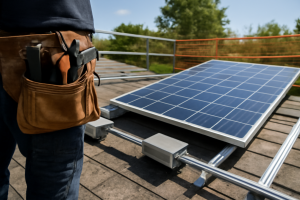
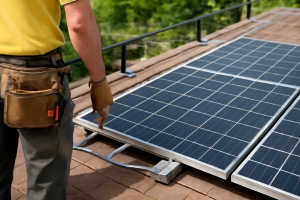
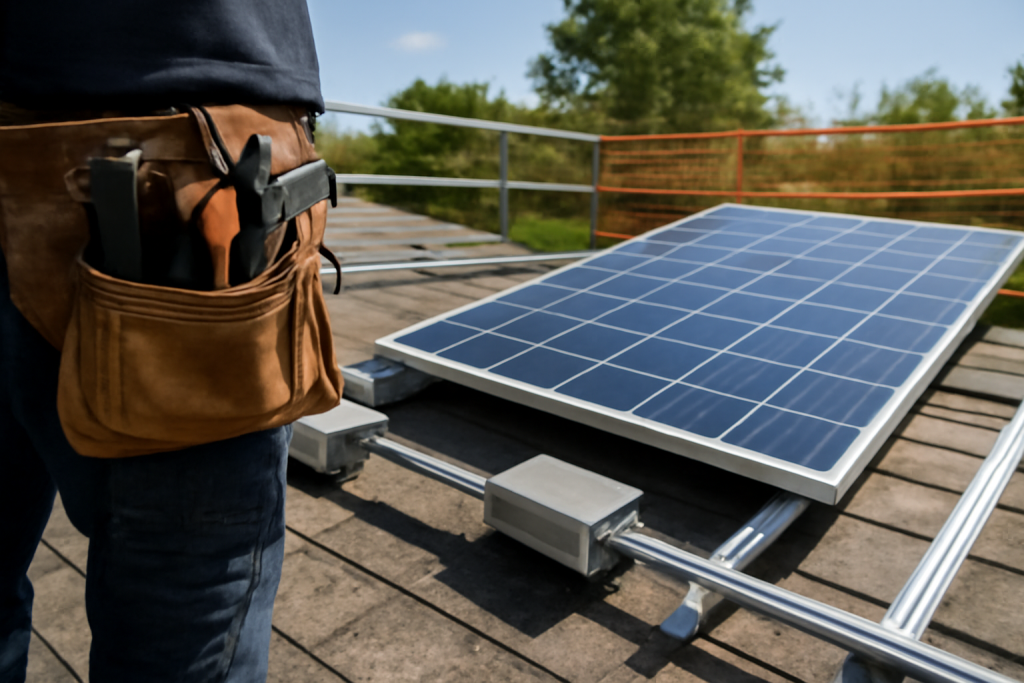
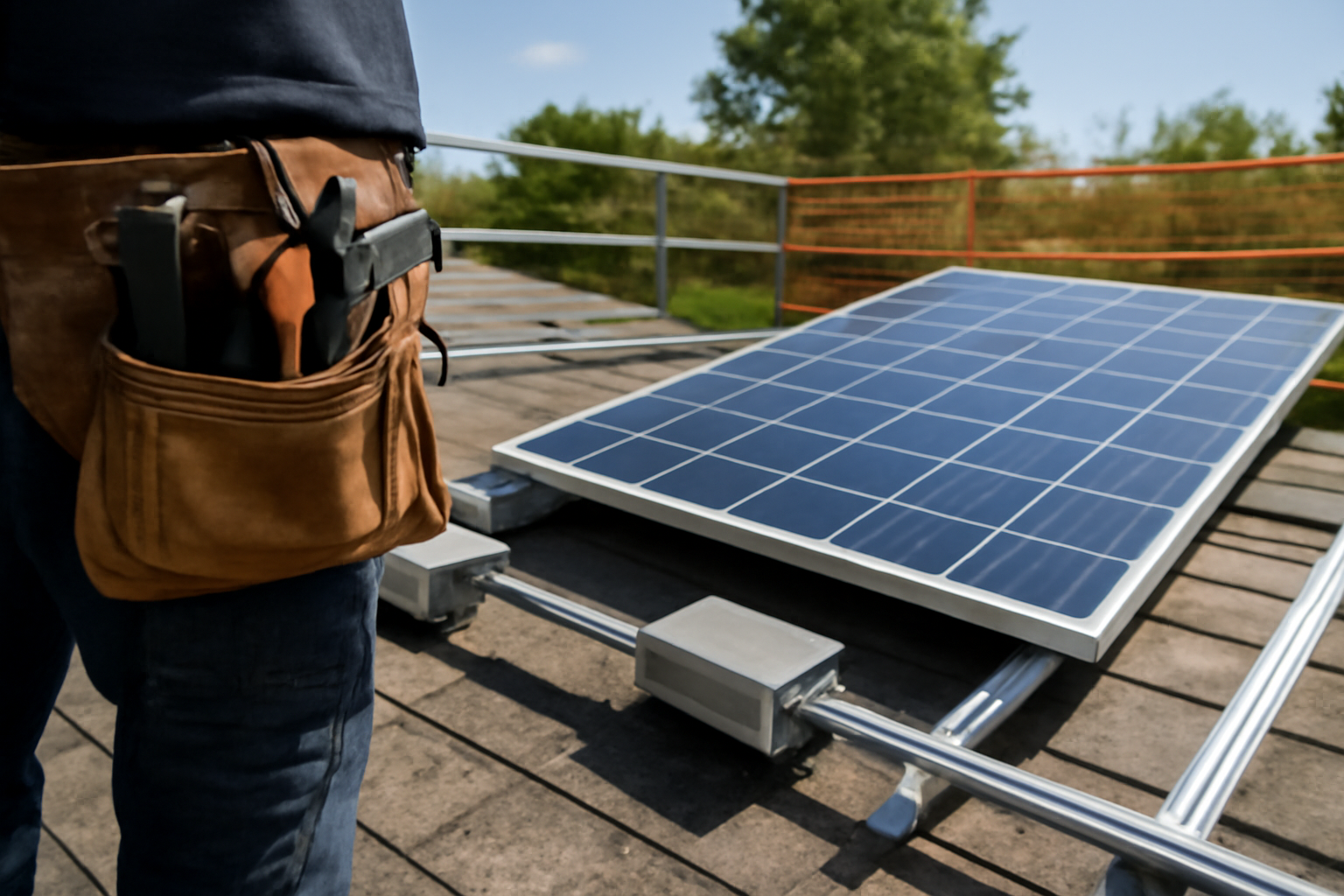
- Mounting System Installation: Securely attaching racks or frames to the roof, ensuring alignment, and resistance to weather conditions.
- Module Placement and Wiring: Installing solar panels onto mounts and connecting electrical wiring according to manufacturer specifications and safety standards.
- Inverter Connection: Integrating the inverter to convert direct current (DC) from panels into alternating current (AC) for household use.
- Grid Integration and Metering: Coordinating with local utilities to connect the system safely and installing metering devices for energy monitoring.
- System Testing and Commissioning: Performing thorough electrical tests, verifying performance parameters, and documenting system readiness for operation.
Attention to installation details minimizes risks of malfunction and optimizes energy output.
Maintenance and Troubleshooting: Ensuring Long-Term Solar Performance
Proper maintenance is essential to prolonging the lifespan and efficiency of solar installations. Key activities include:
- Regular Cleaning: Removing dust, debris, and bird droppings from panel surfaces to maintain maximum sunlight absorption.
- Visual Inspections: Checking for signs of physical damage, corrosion, or loose connections, especially after severe weather events.
- System Monitoring: Using monitoring software or hardware to track energy production and identify anomalies promptly.
- Electrical Testing: Periodically testing inverter function and wiring continuity to detect and resolve issues before they escalate.
Contractors can advise homeowners about scheduled maintenance and troubleshooting protocols to ensure consistent performance.
Optimizing Solar System Efficiency: Technical and Practical Tips
Several measures can enhance solar panel output and system reliability at the worksite:
- Proper Tilt and Orientation: Aligning panels for maximum sun exposure based on geographic location and seasonal changes.
- Using Quality Materials: Selecting corrosion-resistant mounting hardware and durable electrical components suited for local climate conditions.
- Implementing Advanced Inverters: Employing microinverters or power optimizers to reduce shading impact and maximize energy harvest from each panel.
- Incorporating Energy Storage: Adding battery systems to store surplus energy and improve self-consumption during low sunlight periods.
Applying these practical techniques helps contractors deliver reliable solar solutions tailored to client needs.
Health and Safety Considerations on Solar Installation Sites
Safety protocols during solar panel installation and maintenance are critical for protecting workers and residents:
- Fall Protection: Using harnesses, guardrails, and safety nets when working at heights on roofs.
- Electrical Safety: Ensuring power is disconnected during installation, wearing insulated gloves, and following lockout-tagout procedures.
- Weather Awareness: Avoiding work during high winds, rain, or lightning conditions to reduce hazards.
- Proper Tool Handling: Using certified tools and equipment for electrical and mechanical tasks to prevent injuries.
Contractors should train teams on these standards and supervise adherence throughout the project.
Frequently Asked Questions (FAQ)
What are the typical timeframes for residential solar panel installation?
Most residential solar installations can be completed within 1 to 3 days of on-site work, depending on system size and complexity. Pre-installation planning and permitting may extend the total project timeline by several weeks.
How often should solar panels be cleaned and inspected?
Panels typically need cleaning once or twice annually, but frequency can increase in dusty or polluted environments. Visual inspections are recommended quarterly, along with system monitoring to catch potential issues early.
Can I perform minor solar maintenance myself, or should I hire a professional?
Homeowners can safely handle basic tasks like cleaning panels carefully with water and a soft cloth. However, electrical inspections and repairs should always be conducted by qualified contractors following safety regulations.
What factors influence the efficiency of a solar installation?
Efficiency depends on panel quality, correct positioning, shading, inverter performance, and maintenance. Environmental conditions such as temperature and dust accumulation also affect energy output.
Conclusion
For contractors, tradespeople, and homeowners, mastering the practical aspects of solar panel installation, maintenance, and system optimization is essential to harness the full potential of solar energy. Thorough planning, adherence to safety standards, and ongoing care improve system reliability and client satisfaction. By applying these guidelines, professionals can deliver high-quality solar solutions tailored to site conditions and user needs, supporting the transition to cleaner, sustainable energy sources.