Practical Guide to Planning and Installing Solar Power Systems for Contractors and Property Owners
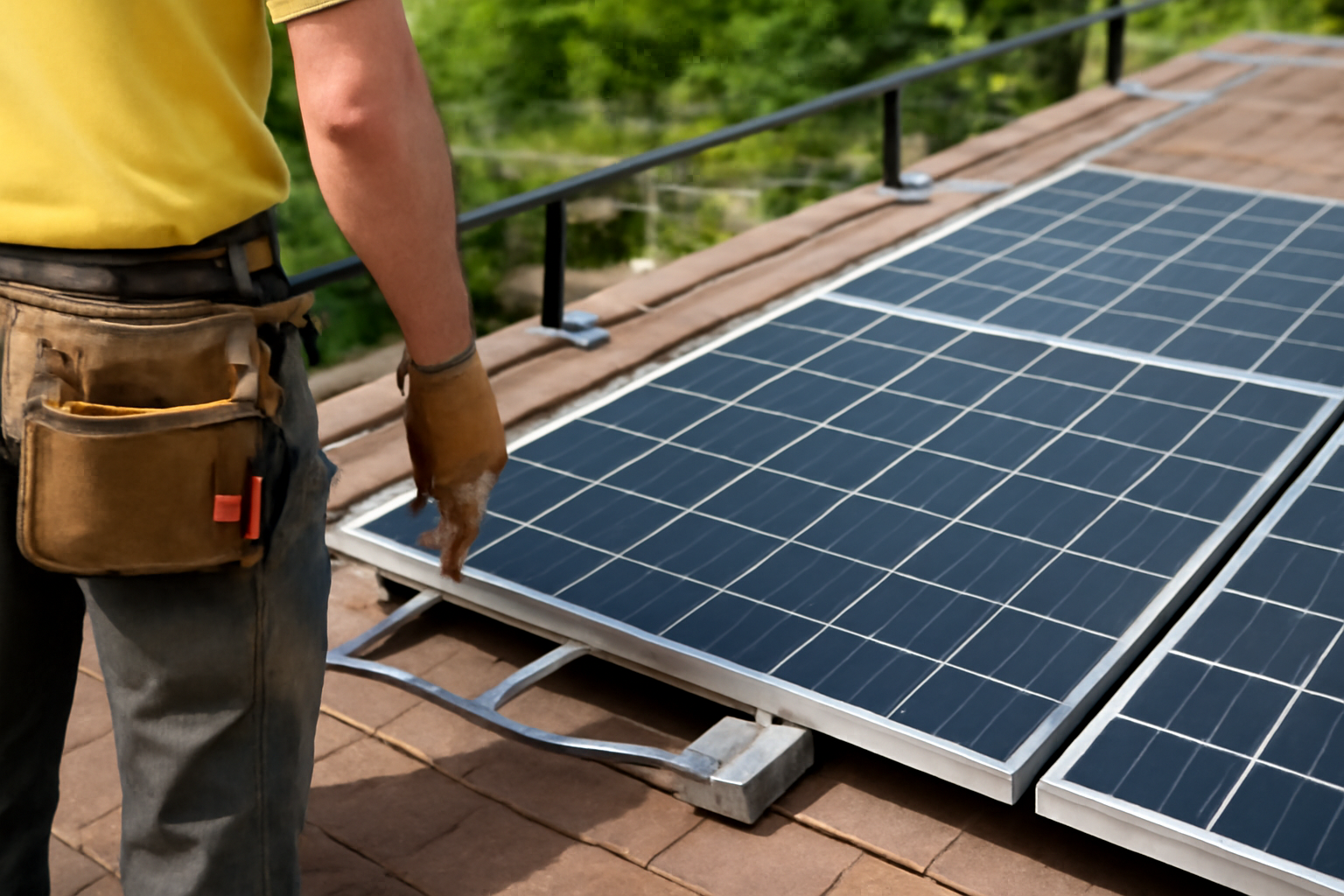
For contractors, tradespeople, and property owners exploring solar panel installation, understanding the practical steps for planning, implementation, and maintenance is essential. This guide covers key technical and site execution details necessary to successfully integrate solar energy systems into various property types—from residential rooftops to commercial installations and utility-scale projects. Using solar power solutions effectively not only supports environmental goals but also delivers long-term operational benefits on-site.
Basics of Solar Power Systems: What Installers and Owners Need to Know
Solar power systems convert sunlight into electricity using photovoltaic (PV) panels or concentrated solar technologies. Typically, these systems require careful site evaluation, component selection, and integration with existing electrical infrastructure. For contractors, proficiency in system sizing, mounting techniques, wiring standards, and compliance with local regulations is crucial to ensure safe and efficient installations.
- System Components: PV panels, inverters, mounting racks, wiring, and optionally energy storage units.
- Site Assessment: Evaluating sun exposure, roof or land suitability, shading, and structural integrity.
- Installation Practices: Correct panel orientation, secure mounting solutions, weatherproof wiring, and grounding.
- Regulatory Compliance: Permitting, grid interconnection standards, and building codes must be followed.
Planning Solar Installations: Steps Contractors and Property Owners Should Follow
Effective planning starts with defining the project scope—whether a rooftop solar system for a house or a larger commercial array. Gathering precise site measurements, load profiles, and understanding energy goals are critical. Using design software tools can assist in modeling system output and optimizing panel layout. Partnering with experienced suppliers ensures access to quality components and technical support.
- Load Analysis: Determine energy consumption patterns to size the solar array appropriately.
- System Sizing: Balance available space, budget, and desired capacity to choose system scale.
- Grid Connection Planning: Coordinate with utility providers for net metering or feed-in tariff eligibility.
- Permitting and Documentation: Prepare necessary documents to comply with local authorities and obtain approvals.
Implementing Solar Systems on Site: Technical Execution Tips
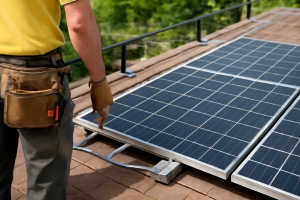
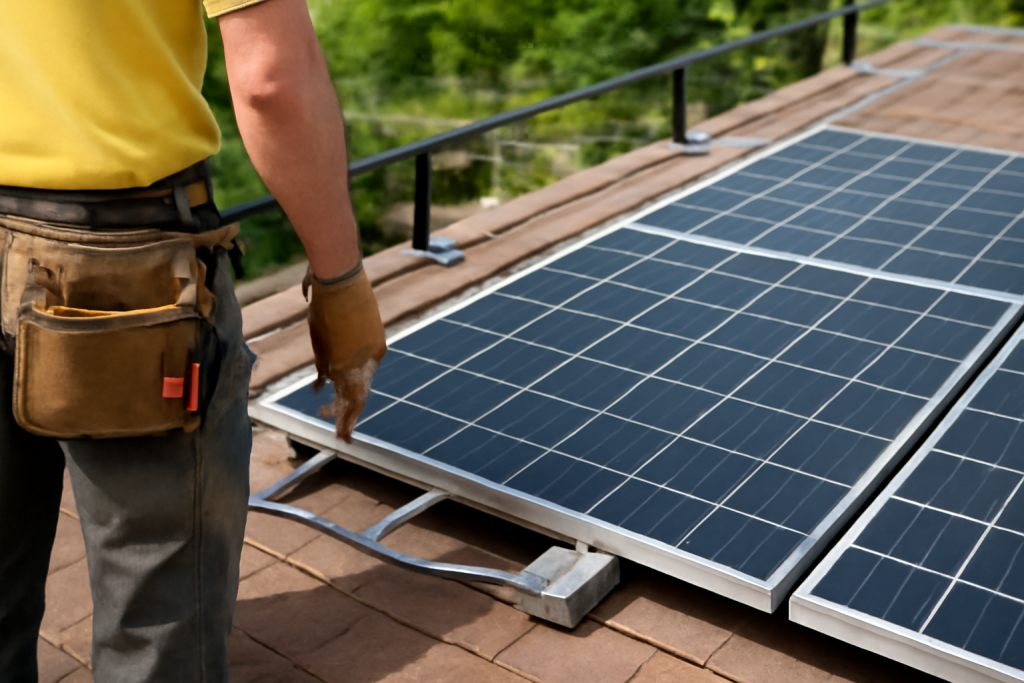
On-site installation demands precise coordination of mechanical, electrical, and safety steps. Mounting structures must be compatible with roof types and provide durability against weather. Wiring must follow color codes and be protected against physical damages. Inverters and monitoring devices require correct configuration for optimal performance.
- Mounting Techniques: Use non-penetrating mounts where possible or ensure waterproof sealing when penetrations are necessary.
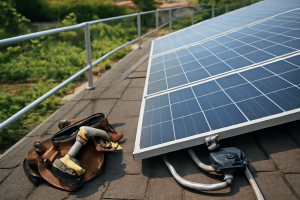
- Electrical Connections: Tight terminals, proper conductor sizing, and installation of safety disconnects to meet code.
- System Testing: Verify power output, inverter settings, and monitoring system functionality before commissioning.
- Maintenance Planning: Schedule regular inspections to clean panels, check wiring integrity, and service inverters.
Solar Plus Storage: Enhancing Reliability and Site Independence
Integrating battery storage with solar installations is an increasingly practical consideration for contractors and owners aiming to improve energy resilience. Storage systems buffer solar generation by storing excess energy produced during peak sunlight for use during cloudy periods or after dark. This setup reduces grid dependence and can improve economic savings where time-of-use tariffs apply.
- Battery Options: Lithium-ion batteries are common for residential and commercial use due to efficiency and lifecycle.
- System Integration: Proper inverter compatibility to manage both solar generation and battery storage.
- Installation Considerations: Space allocation for battery enclosures, ventilation requirements, and electrical clearances.
- Performance Optimization: Use of energy management software to balance production, storage, and consumption.
Common Challenges and Solutions in Solar Installation Projects
Contractors must anticipate and address site-specific challenges such as shading from nearby structures or vegetation, non-standard roof materials, and local weather conditions. Planning for these factors during design reduces costly adjustments later. Additionally, maintaining good communication with property owners and suppliers helps mitigate delays and ensures clear expectations.
- Shading Analysis: Use tools like solar pathfinders or drone imaging to identify shading obstructions.
- Roof Compatibility: Evaluate different mounting solutions for metal, tile, or flat roofs.
- Weatherproofing: Ensure all penetrations are sealed and components rated for local climate.
- Scheduling and Coordination: Align delivery, labor, and inspections to maintain project timelines.
Maintenance and Long-Term Site Management for Solar Systems
After installation, regular maintenance keeps solar systems operating at peak efficiency. Cleaning panels to remove dust and debris, inspecting mounting hardware, and monitoring electrical performance are key tasks. Contractors often provide maintenance contracts or training to property owners for routine checks.
- Panel Cleaning: Frequency depends on local dust, pollen, and environmental conditions.
- Hardware Inspection: Check for corrosion, loose bolts, and structural wear annually.
- Electrical System Checks: Monitor inverter logs and system output for anomalies.
- Warranty and Support: Use manufacturer warranties and technical support for replacement parts if needed.
Frequently Asked Questions
What factors should contractors consider when assessing a site for solar installation?
Key factors include roof orientation and pitch, shading throughout the day and year, structural strength for mounting equipment, electrical infrastructure compatibility, and local permitting requirements.
How long does a typical solar panel system installation take?
Installation time varies depending on system size. Residential rooftop systems often take 1-3 days of active work, whereas commercial or utility-scale projects may require several weeks for full commissioning.
What maintenance do solar systems need to ensure longevity?
Routine panel cleaning, visual inspection for physical damage, inverter performance monitoring, and hardware checks are standard maintenance tasks contractors should schedule periodically.
Can battery storage be retrofitted into existing solar installations?
Yes, many existing solar systems can be upgraded with compatible battery storage, but it requires assessment of inverter capabilities, electrical adjustments, and space considerations.
Conclusion
For contractors, tradespeople, and property owners, practical knowledge of solar system planning, installation techniques, and ongoing maintenance ensures functional, safe, and efficient solar energy deployments. Incorporating storage and addressing site-specific challenges further enhances system reliability and value. With growing demand for clean energy solutions, professionals skilled in comprehensive solar implementation are positioned to successfully deliver projects that meet today’s energy and sustainability needs.