Practical Guide to Planning and Installing Solar Power Systems for Homeowners and Contractors
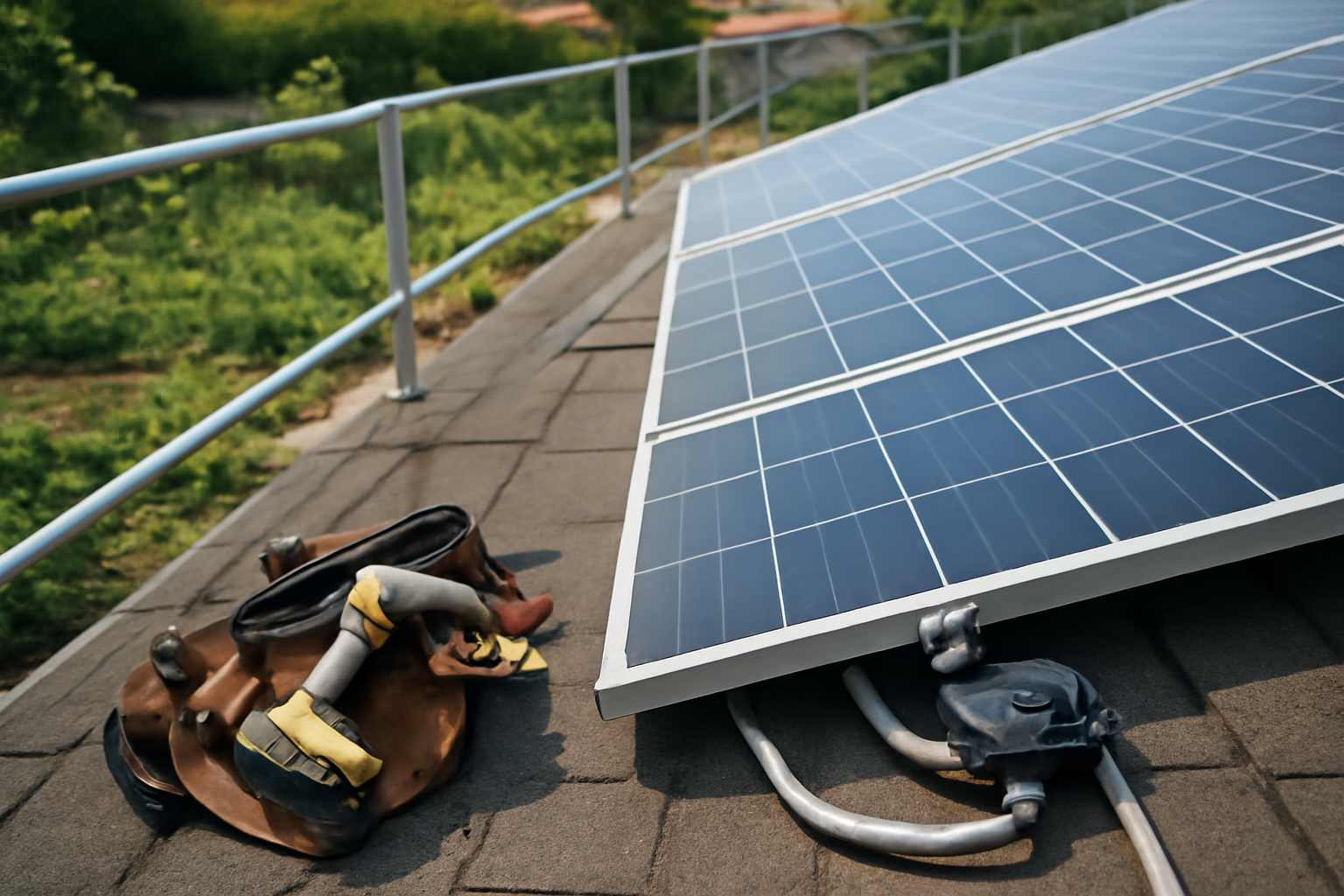
Implementing a solar power system requires more than just enthusiasm for renewable energy; it demands practical planning, technical know-how, and careful site execution. Whether you are a homeowner aiming to reduce energy costs or a contractor preparing to install solar panels, understanding the key steps and challenges in solar implementation is essential. This guide focuses on how to plan, install, and maintain solar installations effectively to ensure long-term system performance and durability.
Why Choose Solar Power: Benefits for Property Owners and Contractors
Solar power is a reliable and sustainable energy source that can significantly reduce electricity costs while helping to create energy-independent properties. For contractors and craftspeople, solar installations represent an expanding market opportunity that combines technical skills with growing demand. Key benefits include:
- Reduced Energy Bills: Solar systems convert sunlight into electricity, lowering reliance on grid power and decreasing monthly electricity costs for homeowners.
- Environmental Impact: Utilizing solar energy reduces carbon footprint and supports broader efforts to transition to clean energy.
- Energy Security: Distributed solar installations enhance resilience by diversifying energy sources and mitigating effects of grid outages.
- Growing Demand for Skilled Installers: Expanding solar adoption increases opportunities for contractors experienced in system design, electrical work, and maintenance.
Key Steps in Planning a Solar Installation Project
Proper planning is the foundation of any successful solar installation. This process should include:
- Site Assessment: Evaluate solar irradiance, roof orientation, shading, and structural suitability to determine optimal system size and layout.
- System Design: Select appropriate solar panels, inverters, mounting systems, and electrical components based on site analysis and project goals.
- Permitting and Regulations: Understand local building codes, grid connection requirements, and permitting processes to ensure compliance and avoid delays.
- Cost Estimation and Budgeting: Calculate materials, labor, and ancillary costs to prepare a realistic installation budget.
- Supplier and Equipment Selection: Choose reliable vendors offering quality components with warranties and technical support.
Installation Best Practices for Contractors and Tradespeople
Executing a solar installation involves coordination of multiple trades, safety considerations, and adherence to technical standards. Important aspects include:
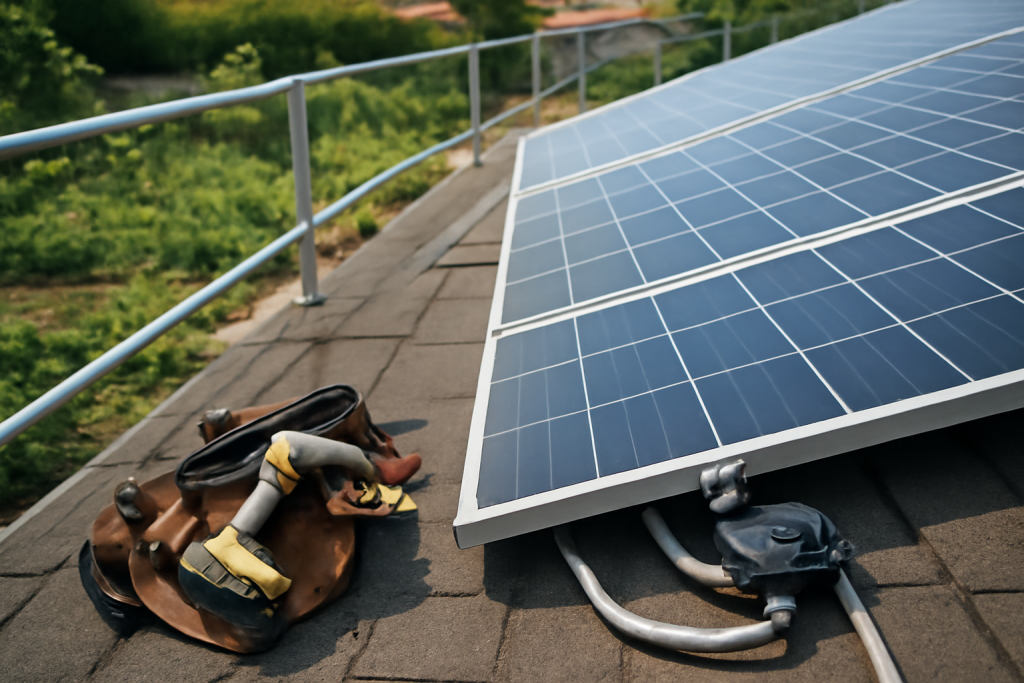
- Structural Preparation: Verify roof integrity and reinforce if necessary to support panel weight and mounting hardware.
- Electrical Safety: Conduct wiring and inverter installation following national electrical codes and using qualified personnel.
- Panel Placement: Align panels for maximum sun exposure, minimizing shading and allowing adequate airflow for cooling.
- System Testing: Inspect all connections, verify voltage output, and test inverters to ensure proper system function before commissioning.
- Documentation and Handover: Provide owners with system manuals, maintenance instructions, and warranty information.
Maintenance and Troubleshooting for Long-Term Performance
Regular maintenance preserves system efficiency and prevents unexpected downtime. Key maintenance practices include:
- Visual Inspections: Check structural mounts, panel surfaces, and wiring for damage or corrosion.
- Cleaning Panels: Remove dust, debris, or bird droppings periodically to maintain optimal power generation.
- Monitoring Output: Use system monitoring tools to detect performance drops that may signal inverter issues or shading problems.
- Addressing Faults: Troubleshoot electrical faults or component failures promptly with qualified service technicians.
Practical Considerations for Solar System Implementation
Successful solar project execution involves understanding site-specific considerations and adapting to challenges:
- Site Constraints: Obstructions like chimneys, vents, or trees can affect panel placement and system sizing.
- Weather Conditions: Local climate affects panel selection; for instance, panels with better low-light performance might suit cloudier regions.
- Integration with Existing Electrical Systems: Coordinate with utility providers for grid interconnection and potential net metering arrangements.
- Safety Protocols: Ensure all personnel follow safety guidelines when working at height or with electrical equipment.
Frequently Asked Questions
What qualifications should a contractor have to install solar systems?
Contractors should possess relevant certifications or licenses in electrical work and solar installation, along with experience in system design, safety standards, and local regulations. Manufacturer-specific training is also beneficial to ensure proper component handling.
How long does a typical solar installation take?
Installation timelines vary by system size and complexity but typically range from several days for residential setups to several weeks for commercial projects, including site prep, mounting, wiring, and testing.
What maintenance is required after installation?
Regular visual inspections, occasional cleaning of panels, and timely troubleshooting of electrical components help ensure consistent system performance and maximize lifespan.
How can I ensure my solar system design is optimal for my property?
Conducting a thorough site assessment, including shading analysis and load evaluation, helps tailor the system design to property-specific conditions and energy needs.
Are there common challenges contractors face during installation?
Yes. Challenges include managing site-specific constraints, adhering to evolving regulations, coordinating with utility companies, and ensuring safety in challenging work environments.
Conclusion
For homeowners and contractors alike, a successful solar installation depends on careful planning, technical expertise, and ongoing maintenance. By systematically assessing site conditions, choosing suitable equipment, respecting safety and regulatory standards, and performing regular upkeep, solar systems can provide efficient, sustainable energy for years to come. Understanding these practical aspects enables craftsmen and property owners to confidently approach solar projects and contribute to a greener future.