Practical Guide to Planning and Installing Solar Farms: Technical and Site Execution Insights for Contractors and Property Owners
The efficient planning and installation of solar farms require a solid understanding of photovoltaic technology, site preparation, and ongoing maintenance to ensure reliable energy production. For solar installers, contractors, and property owners looking to implement practical solar projects, this guide covers essential technical steps, operational details, and management practices ensuring successful deployment and long-term performance of utility-scale solar installations.
Basics of Solar Farm Setup: How Solar Panels Generate Grid-Ready Electricity
A solar farm consists of arrays of photovoltaic panels designed to capture sunlight and convert it into electrical energy. On-site, solar panels generate direct current (DC) power, which is then converted by inverters into alternating current (AC) suitable for grid injection. Typical facilities can range from small commercial systems of around 5 MW to large installations exceeding 100 MW.
Key aspects of setup include careful layout planning to optimize solar exposure, selecting appropriate panel technology, mounting systems, and ensuring proper electrical infrastructure for grid connection. Mechanical and electrical integration requires precise engineering, adhering to site constraints and local regulations.
Site Preparation and Installation Workflow
Effective site work involves several steps beginning with land assessment — evaluating solar radiation availability, soil conditions, shading obstacles, and environmental impact. Contractors must coordinate grading, drainage, and foundation work for mounting structures.
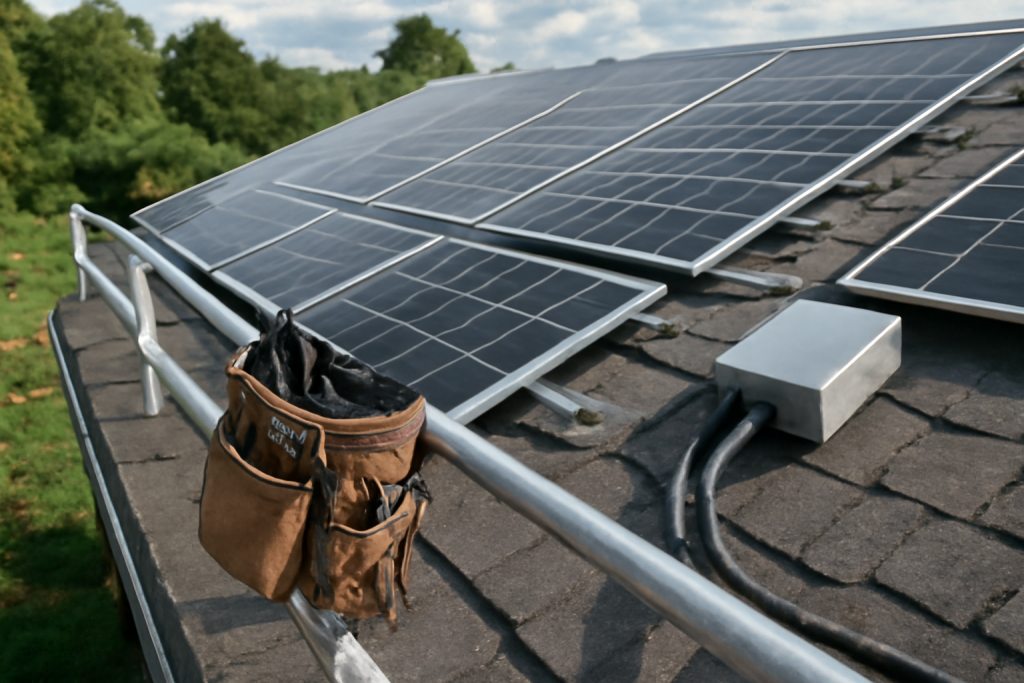
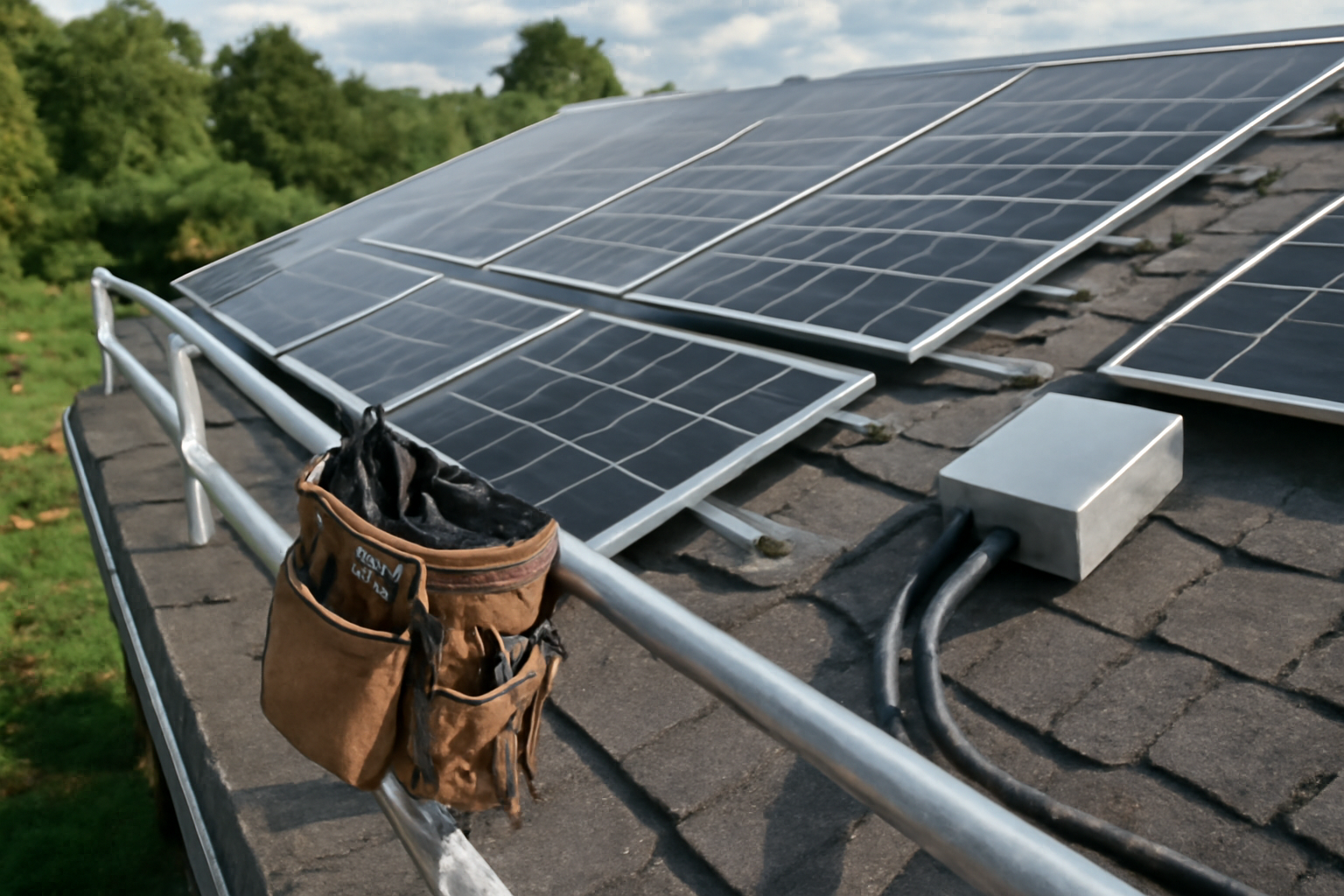
Installation teams then assemble panel racks, mount solar modules, connect electrical wiring and inverters, and establish data monitoring systems. A well-organized workflow balances equipment handling with safety and quality control to minimize delays and maximize system reliability.
- Conduct site survey and geotechnical analysis to inform mounting system design.
- Coordinate supply chain logistics for solar panels, inverters, and balance-of-system components.
- Ensure compliance with electrical codes and grid interconnection requirements.
- Implement vegetation management plans to avoid shading and facilitate maintenance access.
Maintenance and Operational Best Practices for Longevity and Output Optimization
Maintaining a solar farm requires routine inspections and cleaning protocols to keep panels free from dust, debris, and biological growth that impair performance. Scheduled checks of electrical connections, inverters, and monitoring equipment reveal issues before they impact energy production.
Site upkeep also includes vegetation control, ensuring plant growth does not shade panels or obstruct access routes. Additionally, data-driven predictive maintenance using real-time monitoring systems allows proactive repair planning, reducing downtime and optimizing yields over the system lifetime.
Choosing the Right Solar Equipment and Technologies
Contractors must evaluate different solar panel types, such as monocrystalline, polycrystalline, and advanced bifacial modules, based on efficiency needs and budget. Selecting inverters that support grid requirements, offer high conversion efficiency, and integrate with energy management software is crucial.
Emerging technologies like agrivoltaics—combining photovoltaic arrays with agricultural use of land—offer innovative opportunities for maximizing land use and community engagement. Battery storage and smart grid solutions further enhance energy stability and utilization.
Step-by-Step Planning for Contractors and Property Owners
- Initial feasibility assessment: Calculate solar resource data and estimate possible system size based on land availability.
- Design and engineering: Draft system layout, wiring diagrams, and structural plans considering site-specific conditions.
- Permitting and approvals: Secure necessary environmental, construction, and grid connection permits with local authorities.
- Procurement and scheduling: Source components from reliable suppliers adhering to warranties and specifications.
- On-site installation and commissioning: Oversee safe assembly, wiring, testing, and integration with the grid.
- Operations handover and maintenance planning: Establish routines for monitoring, cleaning, and repairs to maintain efficiency.
Frequently Asked Questions
What are the primary technical challenges in installing a solar farm?
Common challenges include accurate site assessment, managing electrical connections and grid compatibility, logistical coordination of component delivery, and ensuring environmental compliance and structural stability of mounting systems.
How often should solar panels be cleaned and inspected?
Cleaning frequency depends on local environmental conditions but typically occurs every 6 to 12 months. Inspections of electrical and mechanical components should be scheduled quarterly or biannually to detect and resolve issues early.
Can agrivoltaics be combined with solar farm installations?
Yes, agrivoltaic systems allow simultaneous solar electricity generation and agricultural activities such as crop cultivation or beekeeping. This approach optimizes land use and can enhance project community benefits.
What safety considerations should contractors follow during solar farm installation?
Solar installation requires adherence to proper electrical safety standards, fall protection for rooftop or elevated work, safe handling of heavy components, and compliance with local building and labor regulations to minimize hazards.
Conclusion
For contractors, tradespeople, and property owners, practical knowledge of solar farm installation and maintenance is essential to achieve effective, durable renewable energy systems. Taking a methodical approach to site preparation, technology selection, and operational upkeep ensures sustainable, high-performance solar installations that contribute to the growing clean energy infrastructure.
By mastering the technical and site execution details outlined here, you can confidently lead or participate in solar farm projects that meet both environmental and operational goals.